NOTEBOOK

The individual
Order is the least photogenic of virtues and the first of the journey. Augustine called it peace; the science of routine proves him right. What the virtue of order is, and how it is cultivated.
Read article →

The Movement
A tennis coach inaugurates the academic year at the university. Science qualifies his thesis: practice matters less than you might think, while mentorship matters far more. What is trained, and with whom.
Read article →

Career and Vocation
Neither 'follow your passion' nor 'endure until retirement.' A mature alternative.
Read article →

Applied Philosophy
You return from vacation, everything is in order, yet something remains unsettled within. The myths of half the world gave that feeling a name millennia ago: it is the second step of any story worth telling.
Read article →

The Era
The printing press created the polymath; the factory buried it. Now, AI once again makes knowledge cheap, leaving discernment in scarce supply. The polymath returns.
Read article →

Applied Philosophy
Your attention span before a screen averages forty-seven seconds, and daily reading for pleasure has dropped by forty percent in twenty years. Reclaiming it is not a matter of productivity.
Read article →

The individual
In 2004, our attention span in front of a screen lasted two and a half minutes. Today, it is forty-seven seconds. Moreover, half the time, no one interrupts us: we distract ourselves. What can be trained, and how.
Read article →

Conversations
One hour with Spain's leading authority on complex problem-solving.
Read article →
Applied Philosophy
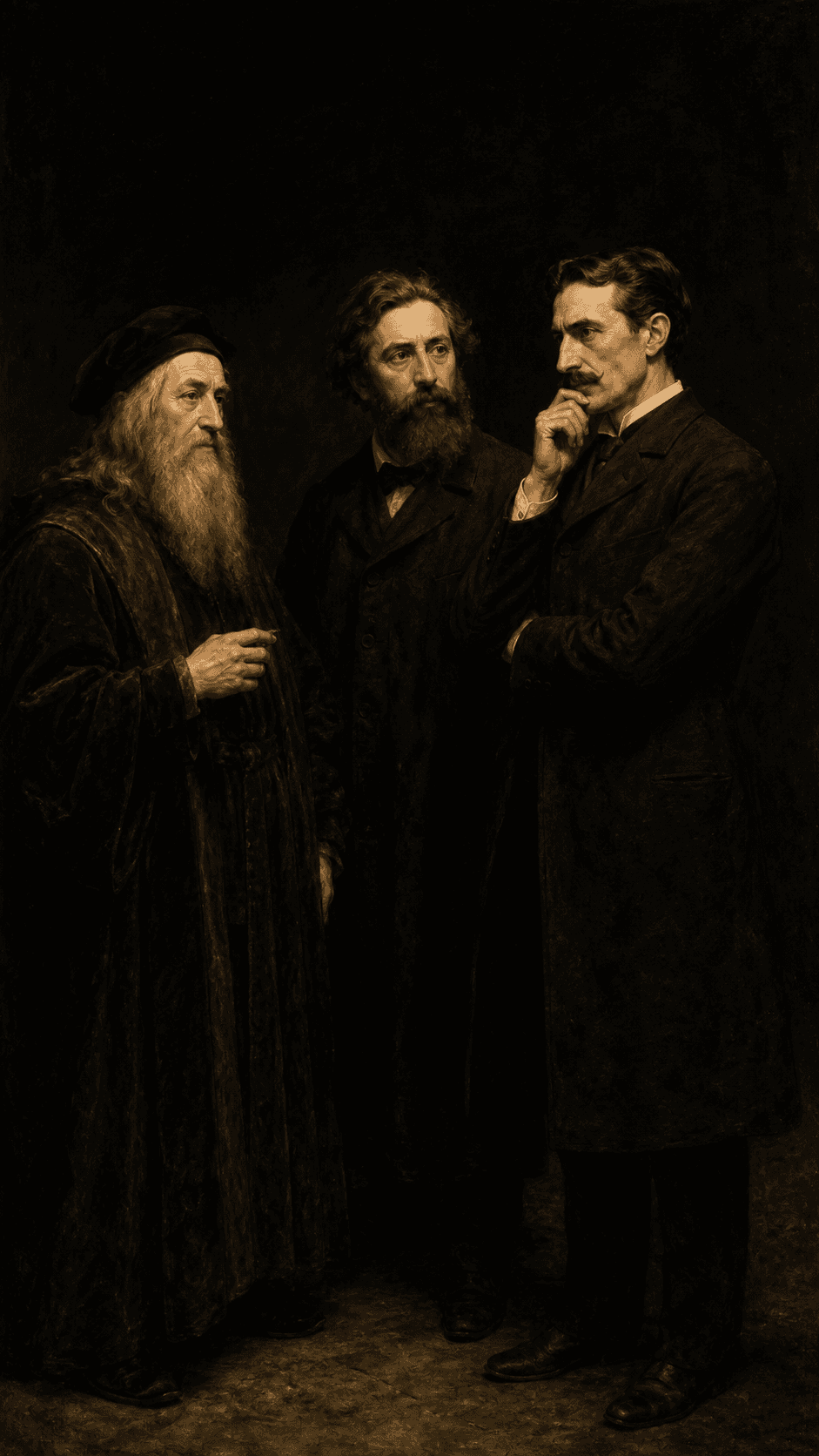
Three questions from Marcus Aurelius that are worth more than any productivity app.
Read article →

Career and Vocation
You have been told that your skills expire every two and a half years and that turning 40 demands reinvention. We went directly to the source: the figure stems from a post, not an actual measurement.
Read article →

The individual
Socrates asked whether virtue can be taught. 214 studies and 300,000 participants later, the answer is yes—with three conditions that almost no one meets.
Read article →

The individual
Not all distress is clinical. Psychology distinguishes between two axes: illness and meaning. What it means to languish, why it affects young people, and which channel it corresponds to.
Read article →

Critical thinking
Having an opinion costs nothing. Forming a judgment takes years. Here is how it is done.
Read article →

The Movement
The nations of our language were not founded by technicians; they were founded by humanists who knew how to act. What that generation learned, what the science of flourishing says today, and who is shaping the next.
Read article →

The Era
MIT measured what happens in the brain when writing with AI: 83% could not cite a single sentence from their own essay. Why judgment cannot be delegated, and what universities should demand instead.
Read article →

Allies
An hour with one of the most serious philosophers on raising adults today.
Read article →

Existential Crises
Neither depression nor flourishing: between the two lies a distinct state, named as such two decades ago. It is called languishing, and naming it is not diagnosing yourself—it is the beginning of self-reflection.
Read article →

AI and the Future of Work
What the machine already does better than you. And what only you will ever be able to do.
Read article →
The Humanities Today
The Russian novel teaches about committees what no MBA can ever explain to you.
Read article →

Applied Philosophy
The week unfolds, everything functions, yet you were not entirely there. The ancients named that way of living millennia ago, and one does not escape it with a checklist of habits.
Read article →

The Era
Everyone repeats that skills expire in five years. We went looking for the source, and it is nowhere to be found. What does endure, however, is sound judgment: why the university should be a community, not merely an event.
Read article →

The Era
Youth employment drops by 13% in positions most exposed to AI, while that of seasoned professionals rises. What protects the latter, and what companies are already demanding: judgment.
Read article →
Cultural Leadership
Technical talent is abundant. A profile with cultural judgment is the scarce asset.
Read article →
The Movement
·
Everything can be trained; almost nothing alone.
A tennis coach inaugurates the academic year at the university. Science qualifies his thesis: practice matters less than you might think, while mentorship matters far more. What is trained, and with whom.
Career and Vocation
·
Changing Careers at 40: The Cliché-Free Guide for Serious Professionals
Neither 'follow your passion' nor 'endure until retirement.' A mature alternative.
Applied Philosophy
·
The Strange Unease: The Ailment That Has Borne a Name for Millennia
You return from vacation, everything is in order, yet something remains unsettled within. The myths of half the world gave that feeling a name millennia ago: it is the second step of any story worth telling.
The Era
·
The Return of the Polymaths
The printing press created the polymath; the factory buried it. Now, AI once again makes knowledge cheap, leaving discernment in scarce supply. The polymath returns.
Applied Philosophy
·
Reclaiming the ability to read for an uninterrupted hour
Your attention span before a screen averages forty-seven seconds, and daily reading for pleasure has dropped by forty percent in twenty years. Reclaiming it is not a matter of productivity.
The individual
·
Attention is the new literacy
In 2004, our attention span in front of a screen lasted two and a half minutes. Today, it is forty-seven seconds. Moreover, half the time, no one interrupts us: we distract ourselves. What can be trained, and how.
Conversations
·
Conversation with Javier G. Recuenco: Complexity as a Way of Life
One hour with Spain's leading authority on complex problem-solving.
Applied Philosophy
·
The Three Stoic Questions to Begin the Week Without Noise
Three questions from Marcus Aurelius that are worth more than any productivity app.
Career and Vocation
·
Relearning in one's forties is not merely reinventing oneself
You have been told that your skills expire every two and a half years and that turning 40 demands reinvention. We went directly to the source: the figure stems from a post, not an actual measurement.
The individual
·
Virtue is cultivated
Socrates asked whether virtue can be taught. 214 studies and 300,000 participants later, the answer is yes—with three conditions that almost no one meets.
The individual
·
Anxiety, Autopilot, and Meaning
Not all distress is clinical. Psychology distinguishes between two axes: illness and meaning. What it means to languish, why it affects young people, and which channel it corresponds to.
Critical thinking
·
How adult judgment is formed in a decade of snap opinions
Having an opinion costs nothing. Forming a judgment takes years. Here is how it is done.
The Movement
·
Leading and transforming a nation is a learned endeavor
The nations of our language were not founded by technicians; they were founded by humanists who knew how to act. What that generation learned, what the science of flourishing says today, and who is shaping the next.
The Era
·
What AI Won't Be Able to Deliver for You
MIT measured what happens in the brain when writing with AI: 83% could not cite a single sentence from their own essay. Why judgment cannot be delegated, and what universities should demand instead.
Allies
·
A Conversation with Higinio Marín: 'We do not form people; we awaken them'
An hour with one of the most serious philosophers on raising adults today.
Existential Crises
·
Languishing: The Name for What You Are Feeling
Neither depression nor flourishing: between the two lies a distinct state, named as such two decades ago. It is called languishing, and naming it is not diagnosing yourself—it is the beginning of self-reflection.
AI and the Future of Work
·
The five human skills that no model will replicate
What the machine already does better than you. And what only you will ever be able to do.
The Humanities Today
·
Tolstoy in a Business Meeting: Why Literature Develops Better Executives
The Russian novel teaches about committees what no MBA can ever explain to you.
Applied Philosophy
·
The Adult on Autopilot
The week unfolds, everything functions, yet you were not entirely there. The ancients named that way of living millennia ago, and one does not escape it with a checklist of habits.
The Era
·
Your degree expires; your judgment does not
Everyone repeats that skills expire in five years. We went looking for the source, and it is nowhere to be found. What does endure, however, is sound judgment: why the university should be a community, not merely an event.
The Era
·
Employability in the Age of AI: Hiring for Judgment
Youth employment drops by 13% in positions most exposed to AI, while that of seasoned professionals rises. What protects the latter, and what companies are already demanding: judgment.
Cultural Leadership
·
The Leader Companies Can No Longer Find: Profile and Why It Is in Short Supply
Technical talent is abundant. A profile with cultural judgment is the scarce asset.