learn

learn

TIME TO THINK

TIME TO THINK

TIME TO THINK

You have not been taught how to think. You have been taught to memorize, to express opinions, to react. But thinking is something else entirely.

You have not been taught how to think. You have been taught to memorize, to express opinions, to react. But thinking is something else entirely.

We live surrounded by information. Headlines, data, opinions, noise. And yet, it is increasingly difficult for us to distinguish the true from the false. The important from the urgent. That which is worthwhile from that which is simply fashionable.

We live surrounded by information. Headlines, data, opinions, noise. And yet, it is increasingly difficult for us to distinguish the true from the false. The important from the urgent. That which is worthwhile from that which is simply fashionable.

  • 15 minutes a day · 12 stages · At your own pace · Between 4 and 12 months ·
  • 15 minutes a day · 12 stages · At your own pace · Between 4 and 12 months ·
  • 15 minutes a day · 12 stages · At your own pace · between 4 and 12 months ·
What does it mean?

What does it mean?

What does it mean?

PHILOSOPHY?

PHILOSOPHY?

PHILOSOPHY?

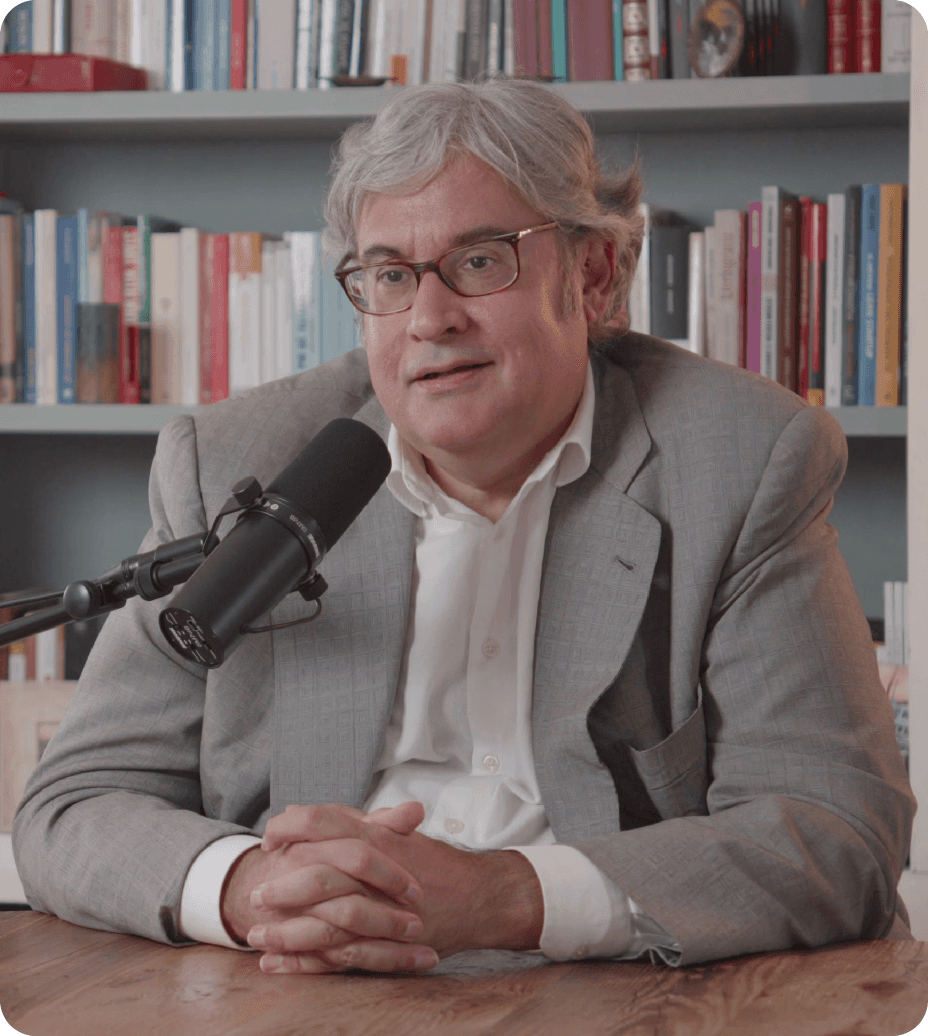
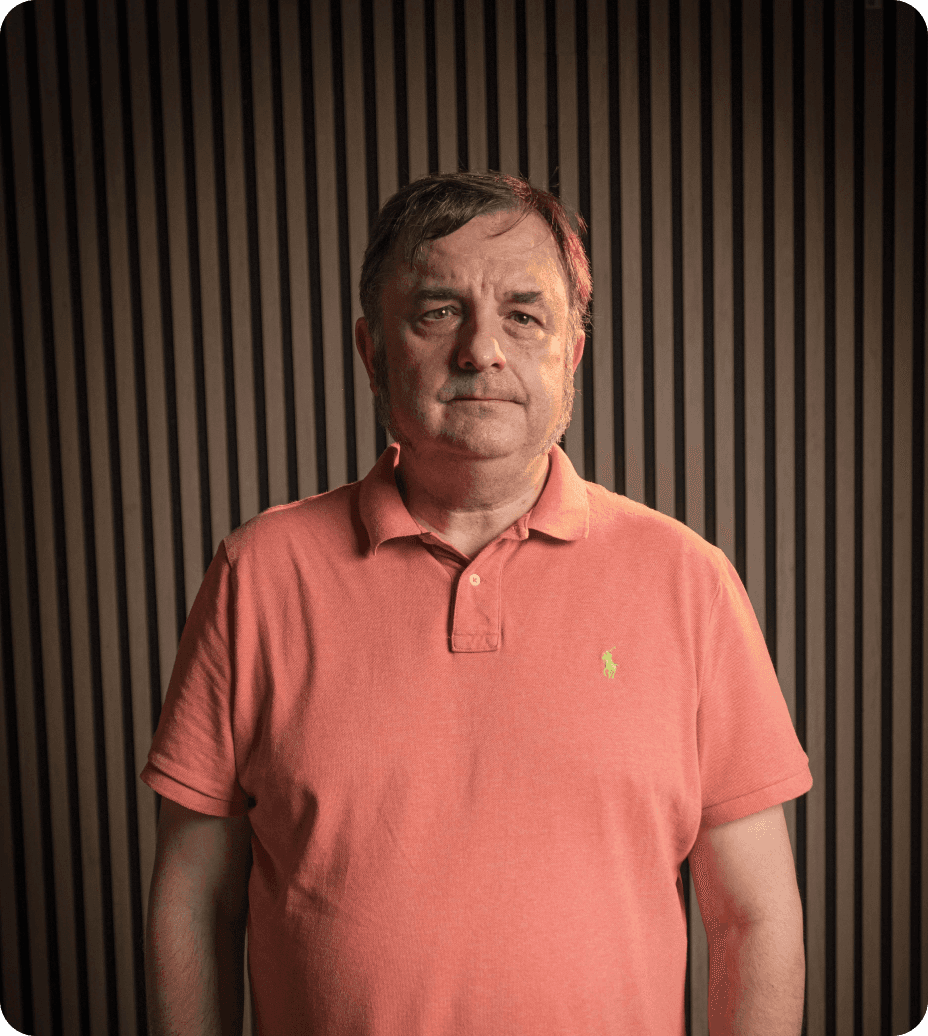
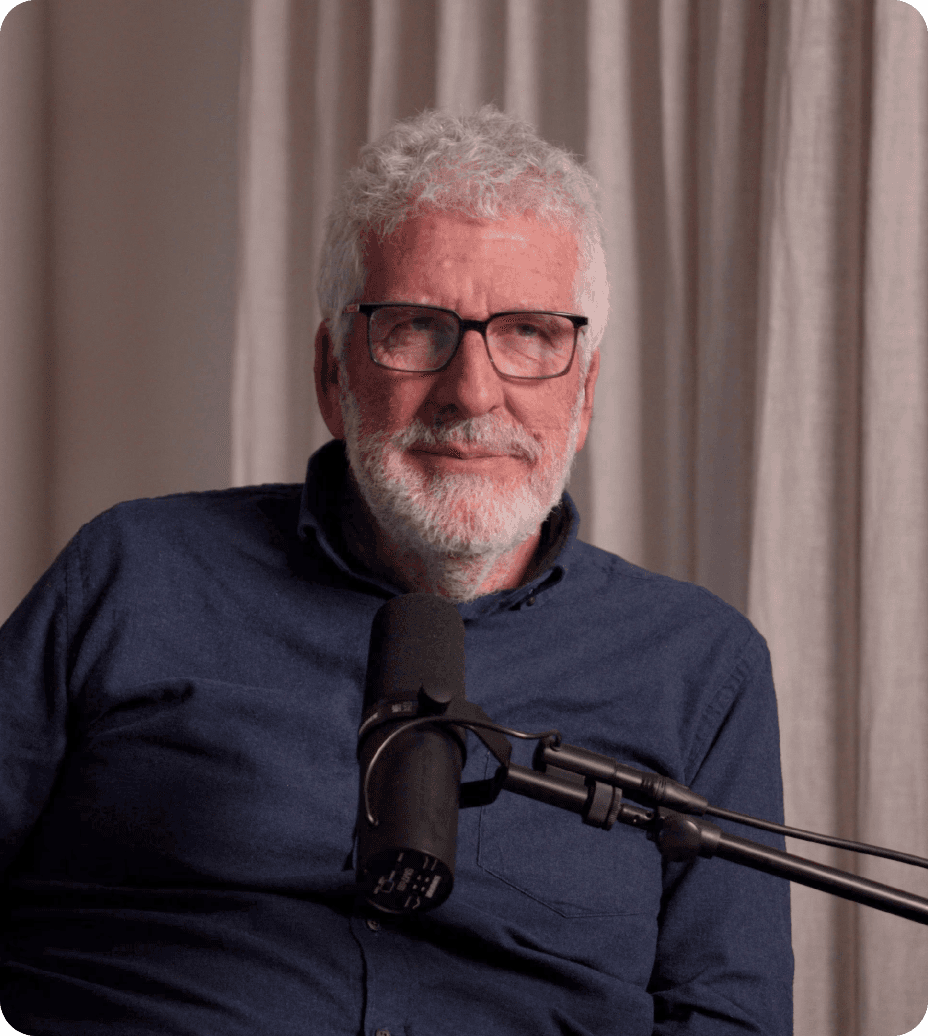
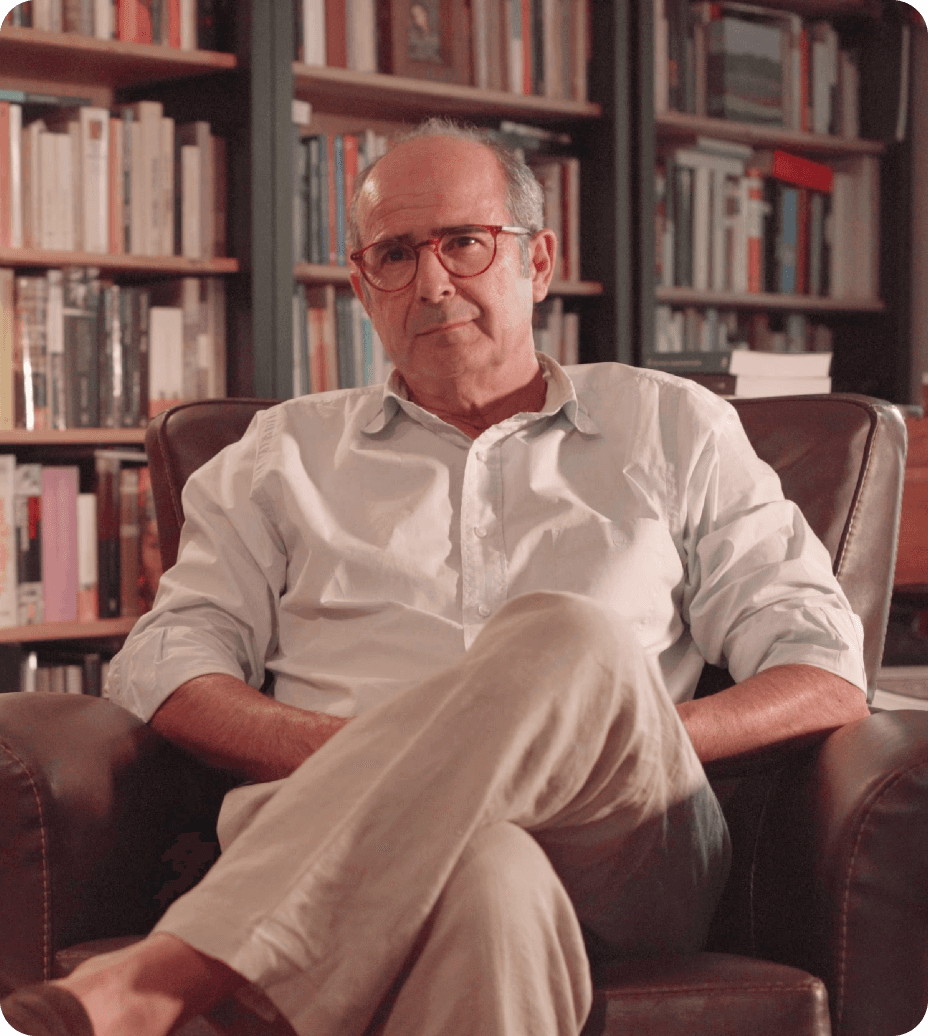
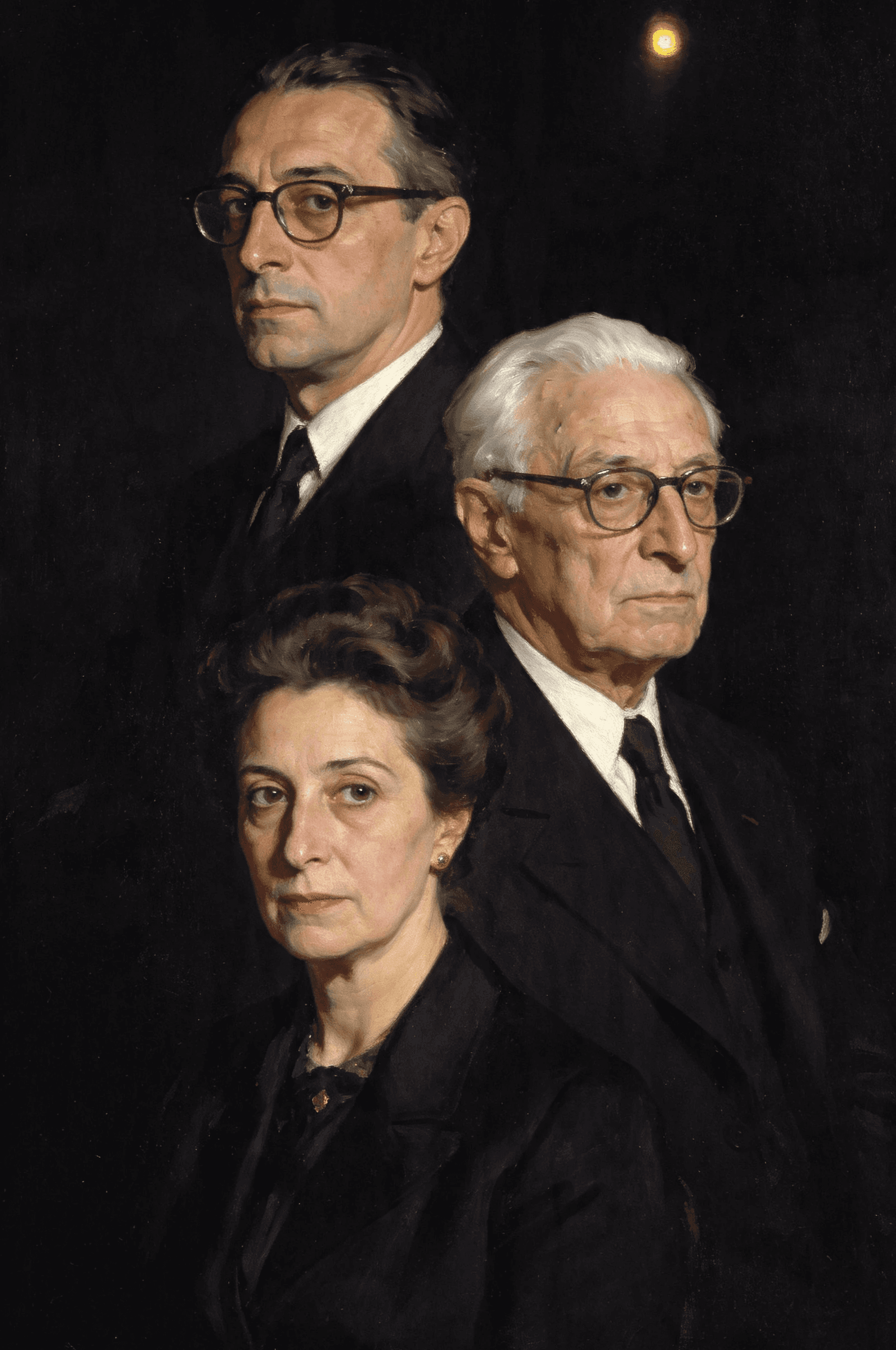
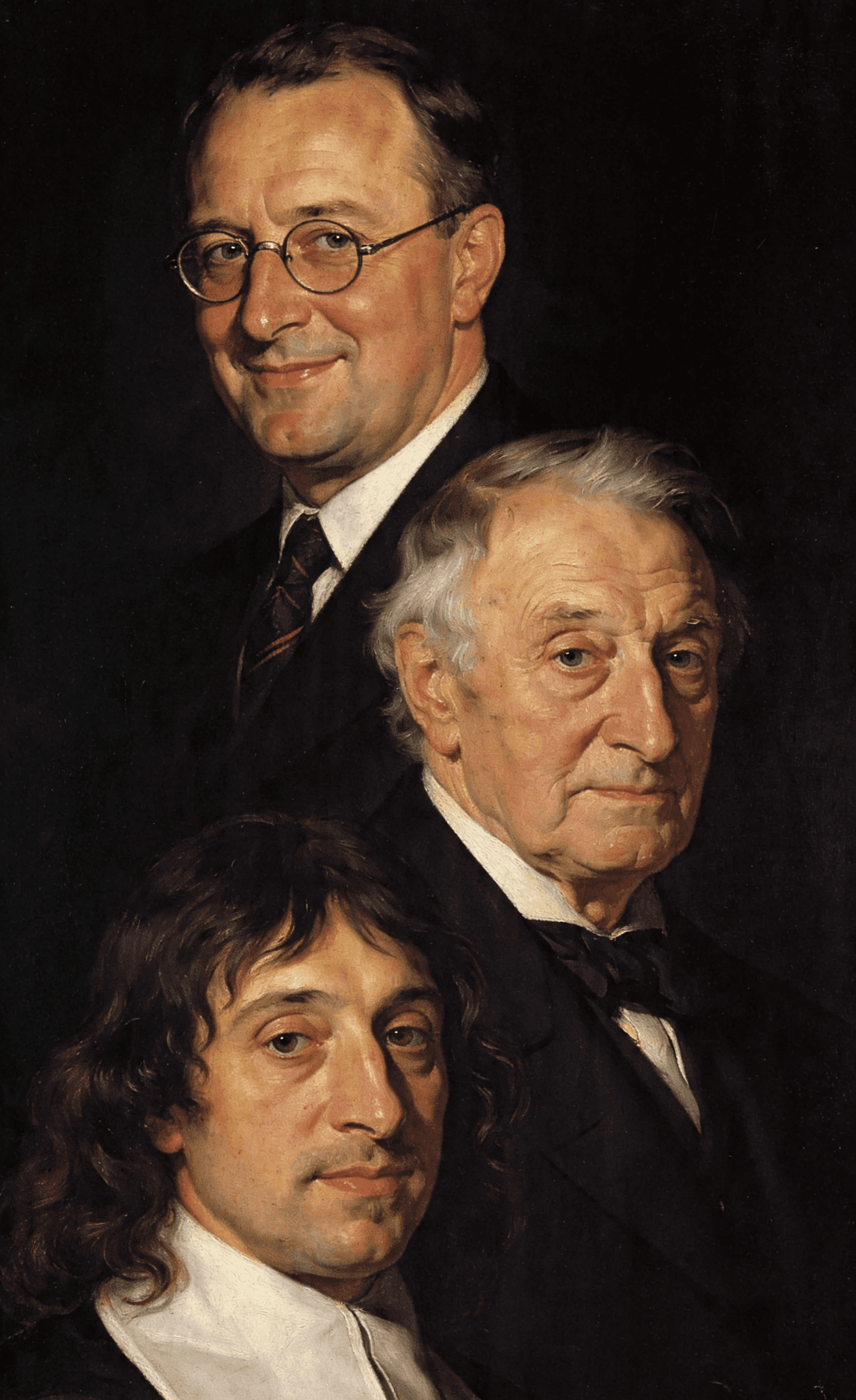
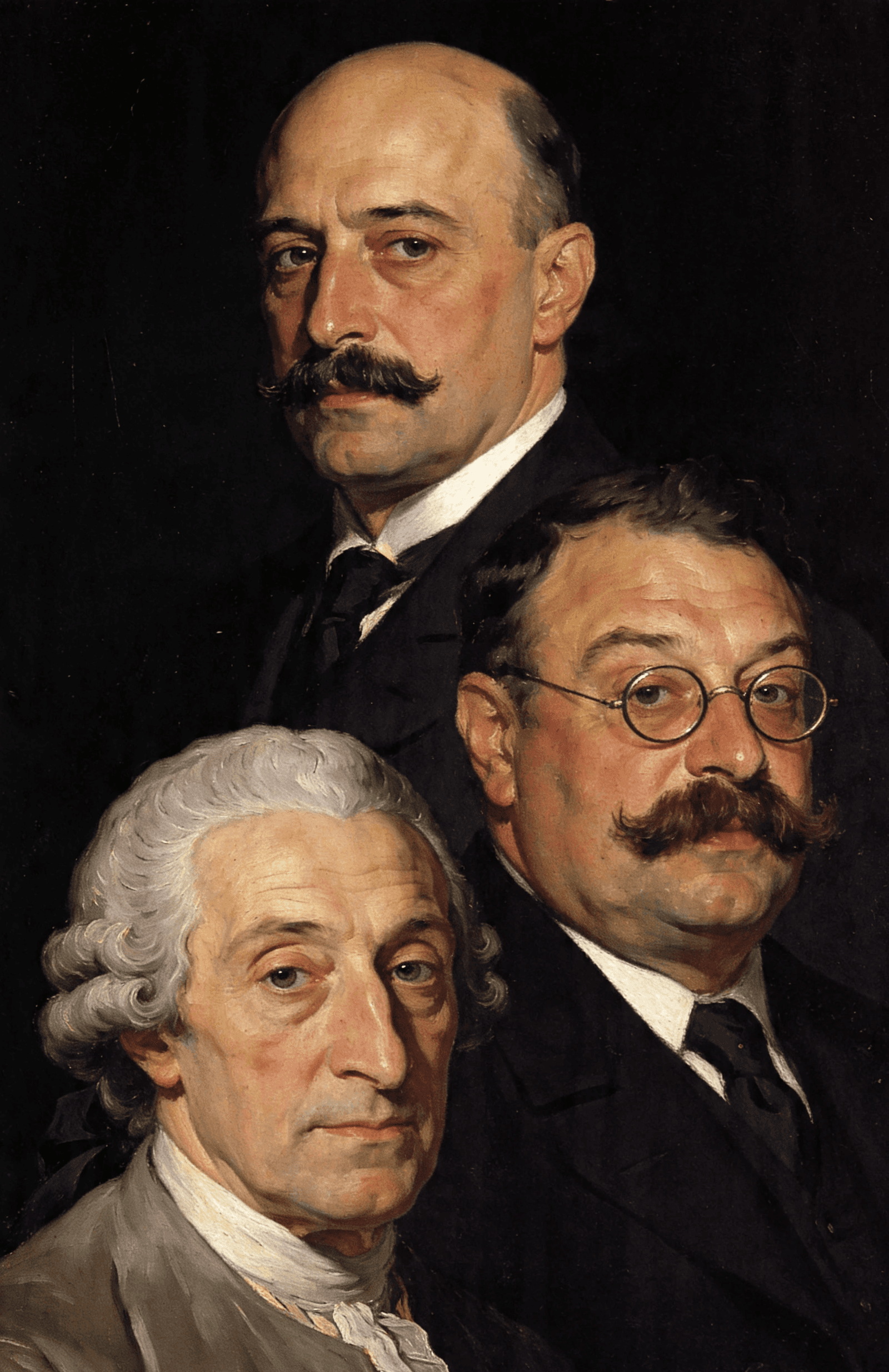
Immanuel Kant, José Ortega y Gasset, G. K. Chesterton

SOME WHO DISCOVERED THEIR PURPOSE… AND FOLLOWED IT:

leaders who stood out
in their era
Immanuel Kant, José Ortega y Gasset, G. K. Chesterton
WHERE THE JOURNEY GETS TOUGH

It is not that you are foolish. It is that no one has given you the tools. You have gone through the educational system, read books, and listened to podcasts. Yet, when faced with the questions that truly matter—what is the good, what is the meaning of your life, what lies beyond death—you draw a blank. Or worse: you repeat what you have heard. Philosophy is not a luxury for academics. It is the art of not allowing yourself to be deceived. It is the discipline that enables you to distinguish an argument from manipulation. A truth from a convenient narrative. This stage is a journey through the great questions that have moved humanity. From the Presocratics to Kant. From Socrates to the masters of suspicion. Not so that you become a philosopher. But so that you stop living according to the philosophy of others without realizing it. When you finish, you will know how to pause before reacting. To sustain doubt without letting it destroy you. To seek truth without settling for the first comfortable answer. And to make decisions out of prudence, not impulse.

DIVE DEEPER INTO THESE TOPICS

DIVE DEEPER INTO THESE TOPICS

DIVE DEEPER INTO
THESE TOPICS

20 minutes a day · 12 stages · At your own pace · between 4 and 12 months

Sharpen your judgment

Sharpen your judgment

Sharpen your judgment
REQUEST YOUR CLASS
REQUEST YOUR CLASS
REQUEST YOUR CLASS
QUESTIONS
AND MORE
QUESTIONS
AND MORE

Stage 3

of 12

Your Stage on the Journey | TheNomba

Philosophy

Your Stage on the Journey | TheNomba

Philosophy

Your Stage on the Journey | TheNomba

Philosophy

This site uses cookies
We use cookies to enhance your experience, measure performance, and personalize content. Cookie Policy